Training an AmStaff puppy: socialization, manners and the first year
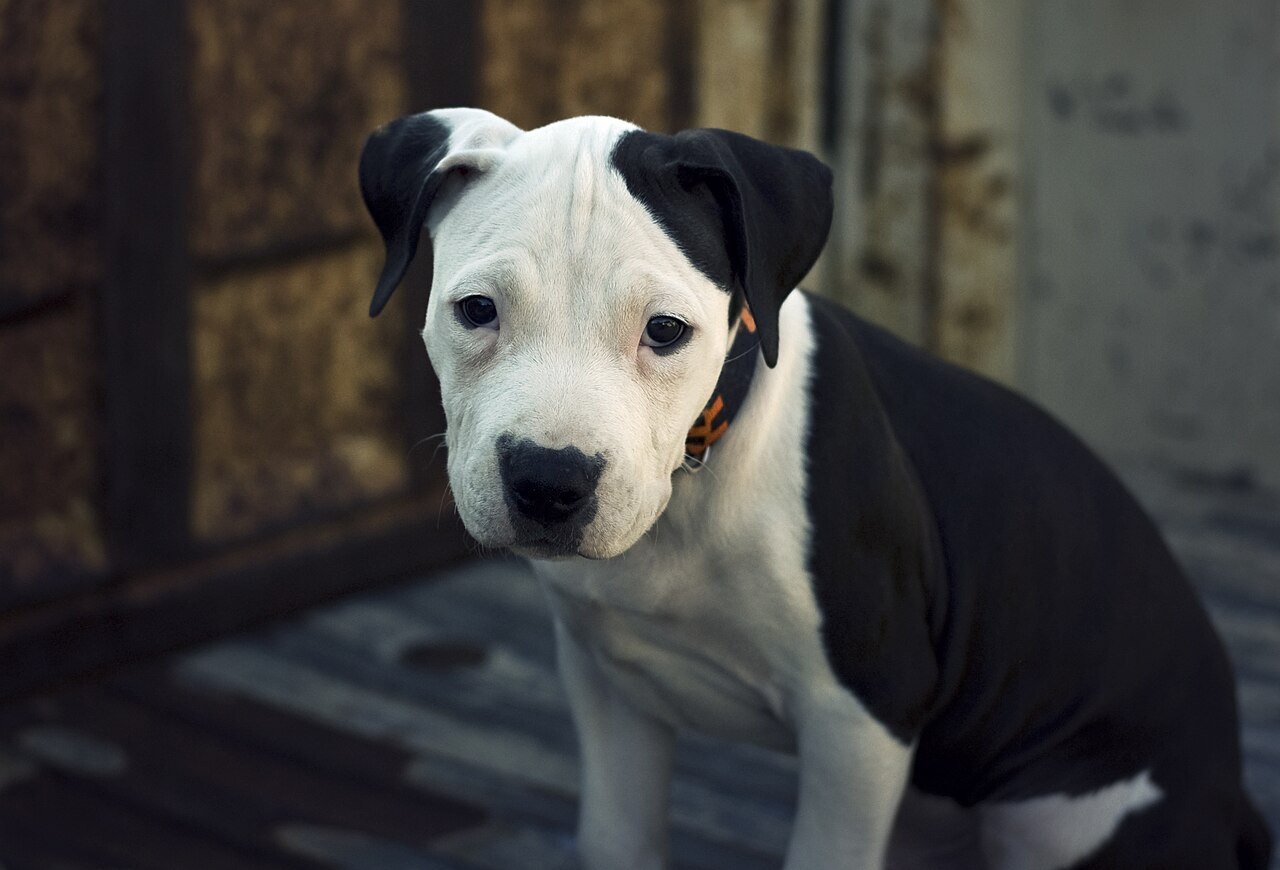
An AmStaff puppy grows into a 40 to 70 lb dog with a lot of strength for its size, so manners that look optional at 10 weeks become necessary by 10 months. The AKC puts it plainly: early socialization and puppy classes are recommended for every breed, but for the AmStaff, given its strong will, strength and exuberance, “they are a necessity.” The breed is intelligent and eager to please, and its breed club says training works best when it stays fun and varied.
The socialization window: the first three months
The American Veterinary Society of Animal Behavior (AVSAB) describes the first three months of life as the primary period for socialization, when a puppy’s sociability still outweighs its fear. Its position statement on puppy socialization recommends exposing puppies to as many new people, animals, places and situations as can be done safely, without pushing them into fear or avoidance.
AVSAB considers it the standard of care to start this before a puppy is fully vaccinated, because behavior problems are a bigger threat to a young dog than infection when basic precautions are taken. Its guidance for puppy classes:
- puppies can start classes as early as 7 to 8 weeks of age;
- they should have had at least one set of vaccines at least 7 days before the first class, plus a first deworming, and stay up to date during the course;
- classes should be held on surfaces that are easy to disinfect, usually indoors;
- dog parks and other busy places used by dogs of unknown vaccination or health status should be avoided.
In practice, a good first month at home includes car rides, handling of paws, ears and mouth, different floor surfaces, visitors of different ages, and short trips to calm public places, carrying the puppy if needed. Watch the puppy’s body language and stop before it becomes frightened. If a puppy shows fear that does not settle, AVSAB advises asking your vet for guidance.
Socialization does not stop at 12 weeks. AVSAB encourages owners to keep offering varied experiences throughout the first year.
Use reward-based training
AVSAB’s 2021 position statement on humane dog training states that evidence supports reward-based methods for all dog training and that aversive methods (those relying on force, pain or physical or emotional discomfort) should not be used. It cites studies linking aversive methods with stress during training and with later problems such as aggression toward people and other dogs.
For an AmStaff, this is practical as well as ethical. You will not out-muscle an adult of this breed, so the goal is a dog that wants to work with you. Keep sessions short (a few minutes, several times a day), use food, toys and praise, and teach the puppy what to do rather than punishing what it gets wrong. Jumping up, for example, is easier to fix by rewarding four paws on the floor than by correcting the jump.
Recall
Start recall indoors on the first days, with no distractions. Say the puppy’s cue word once, reward generously when it arrives, and let it go back to what it was doing so that coming to you never ends the fun. Then build distance and distractions gradually: garden, quiet park on a long line, busier places.
A few rules help:
- never call the puppy to you for something it dislikes, such as a bath or the end of a walk;
- use a long line in open spaces until the recall is reliable around other dogs and wildlife;
- check local leash laws, and remember that off-leash areas full of unknown dogs are a risk for this breed (see below).
Leash walking
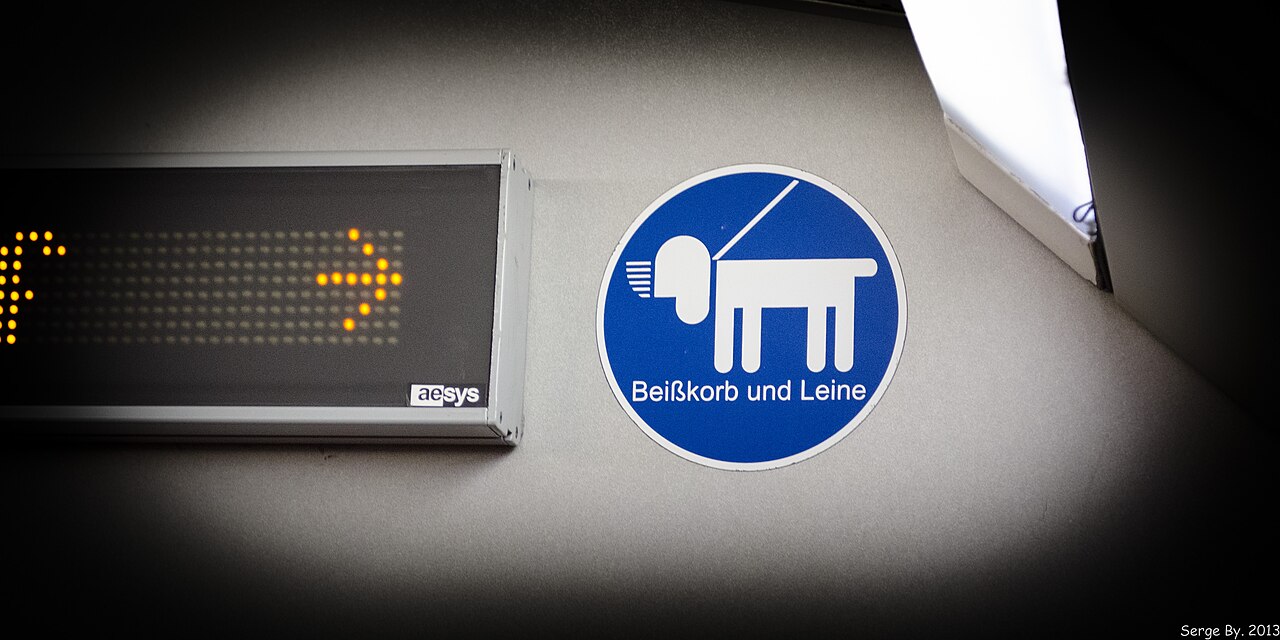
Loose-leash walking is worth the effort from the start, because pulling that is cute in a 15 lb puppy is a problem in a 60 lb adult. Reward the puppy for walking beside you, stop when the leash goes tight, and move on when it slackens. A well-fitted harness can help while the puppy learns. If you live in a place where muzzles are required for the breed, or might move to one, start muzzle training early: introduce the muzzle as something that predicts treats, in short sessions, before the dog ever needs to wear it. Our article on breed-specific laws covers the places where a muzzle is mandatory in public.
Meeting other dogs: the breed club’s warning
The Staffordshire Terrier Club of America, the AKC parent club for the breed, recommends heavy socialization with other dogs for puppies and young adults, always in controlled settings and with dogs of known temperament. It also warns that dog aggression “can develop in even well-socialized dogs” and that an AmStaff should not be left alone with other dogs. The AKC breed page repeats this warning.
What that means in daily life:
- choose calm, vaccinated, dog-friendly adult dogs for your puppy’s play dates, and supervise every session;
- interrupt play before it gets too rough, with a recall and a reward, then let play resume;
- introduce new dogs on neutral ground, on leash at first, and keep first meetings short;
- do not rely on busy dog parks for socialization;
- expect the puppy’s tolerance of other dogs to change as it matures, and keep supervising adult dogs too.
Our temperament guide goes into the breed’s behavior with people and other animals in more detail.
Crate and alone time
A crate or puppy pen gives the puppy a safe place to rest and helps with house training. AVSAB notes that puppies used to a crate are less stressed if they later need to be hospitalized or travel. The crate should be a comfortable area, never a punishment.
Schedule time when the puppy plays alone with a favorite toy, such as a stuffed food toy, or naps in its crate or pen. AVSAB says this teaches puppies to amuse themselves and may help prevent over-attachment to their owners.
Chewing and digging
Puppies explore with their mouths, and AmStaffs have strong jaws. The AKC notes that behaviors such as chewing and digging “may be hard to resolve” in this breed. Prevention works better than correction:
- puppy-proof the home: cables, shoes and remote controls out of reach;
- offer several sturdy chew toys and rotate them;
- when the puppy chews something forbidden, swap it for an allowed toy and reward the swap;
- give enough exercise and mental work, since a bored AmStaff will find its own projects.
Obedience classes and the Canine Good Citizen test
Group classes add something home training cannot: working with distractions and other dogs around, under a trainer’s eye. The AKC’s S.T.A.R. Puppy program is designed as a first in-person class for puppies. When choosing any class, ask about the methods used and prefer trainers who work with rewards, in line with AVSAB’s recommendations.
The AKC Canine Good Citizen (CGC) test is a good goal for the end of the first year or later. It is open to all dogs, purebred or mixed, with no minimum age, and consists of 10 skills, including:
- accepting a friendly stranger and sitting politely for petting;
- walking on a loose lead and through a crowd;
- sit, down and stay on command, and coming when called;
- reacting calmly to another dog and to distractions;
- staying calm during a short supervised separation from the owner.
The CGC is a prerequisite for many therapy dog certifications. Some insurers in the United States also ask owners of certain breeds to have their dog pass it. If a dog fails an item, the team can keep training and retake the test later, and the test is taken with an AKC-approved evaluator in your area.
Photo: miggslives, Wikimedia Commons, CC BY 2.0.