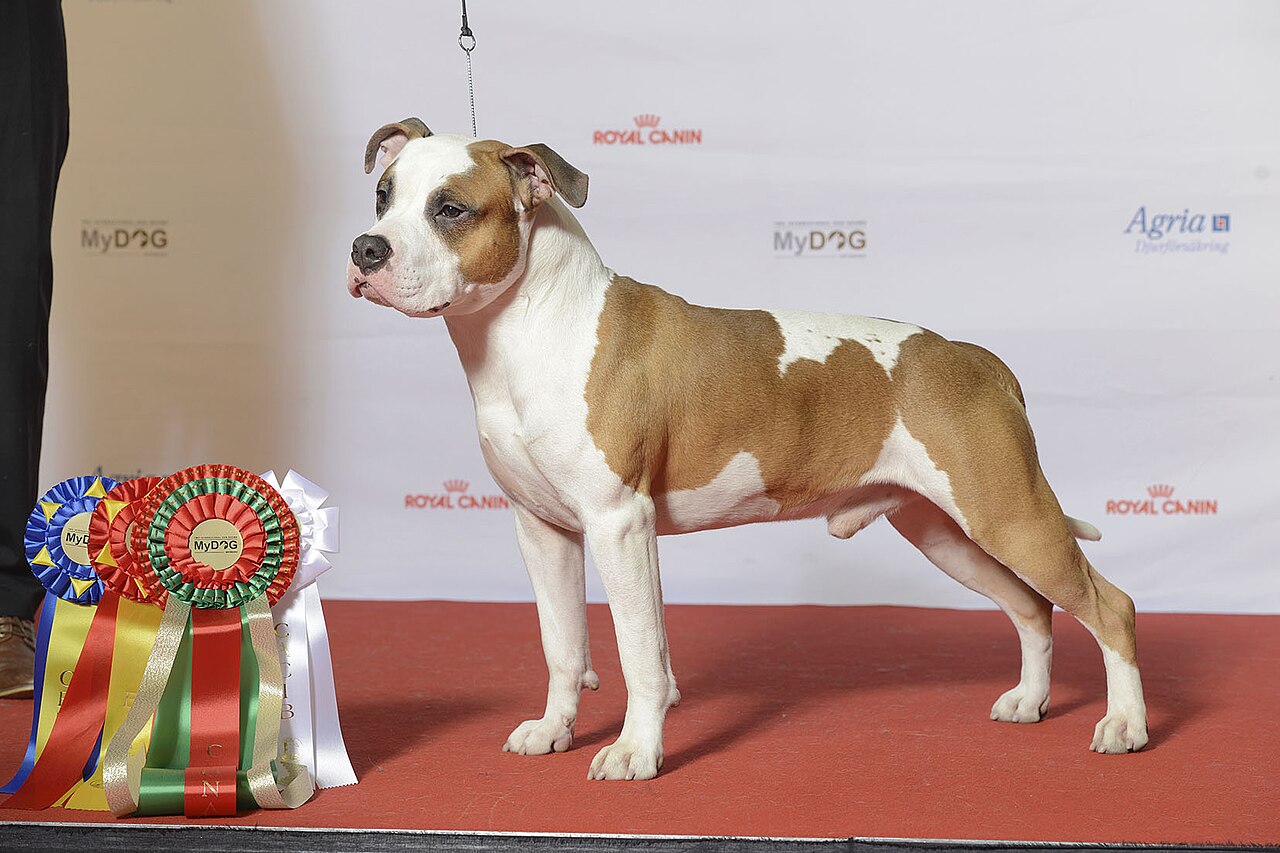
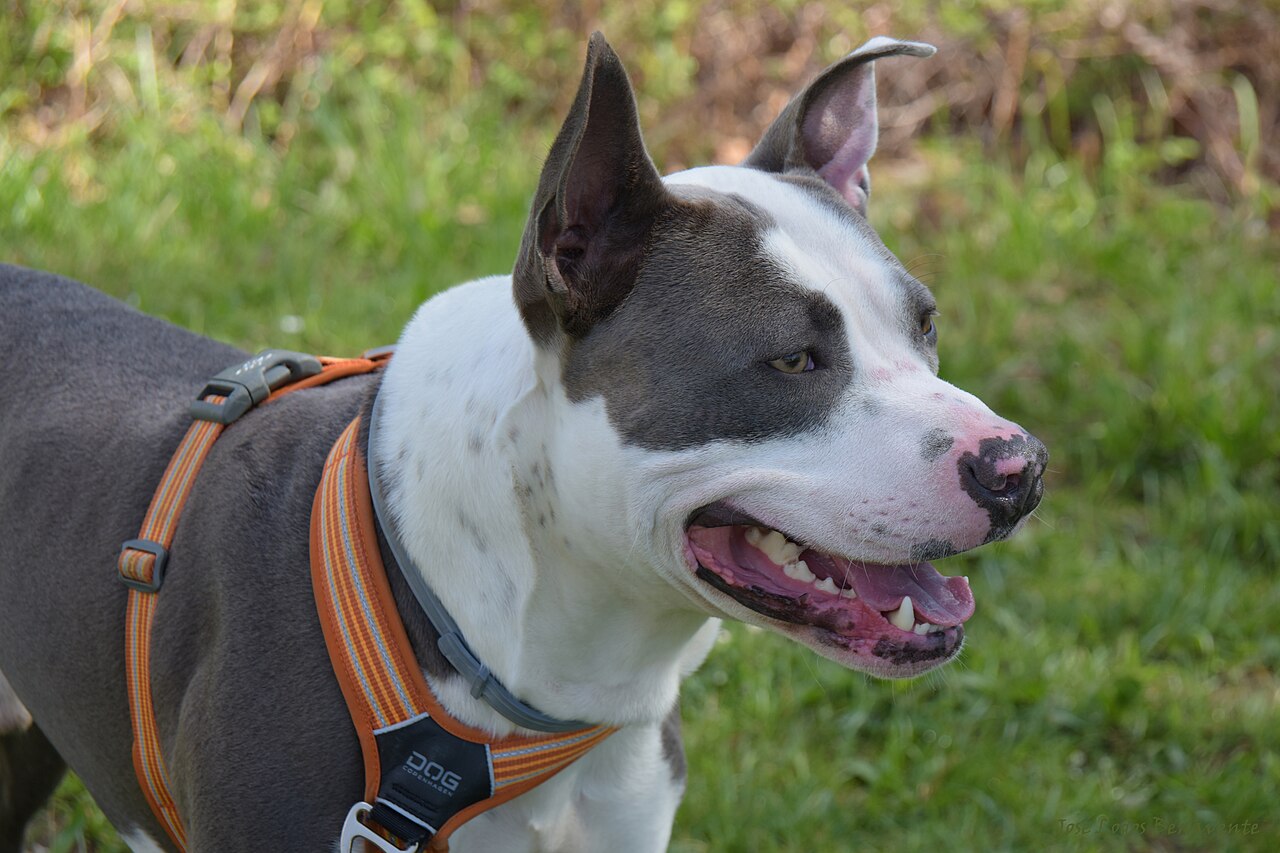
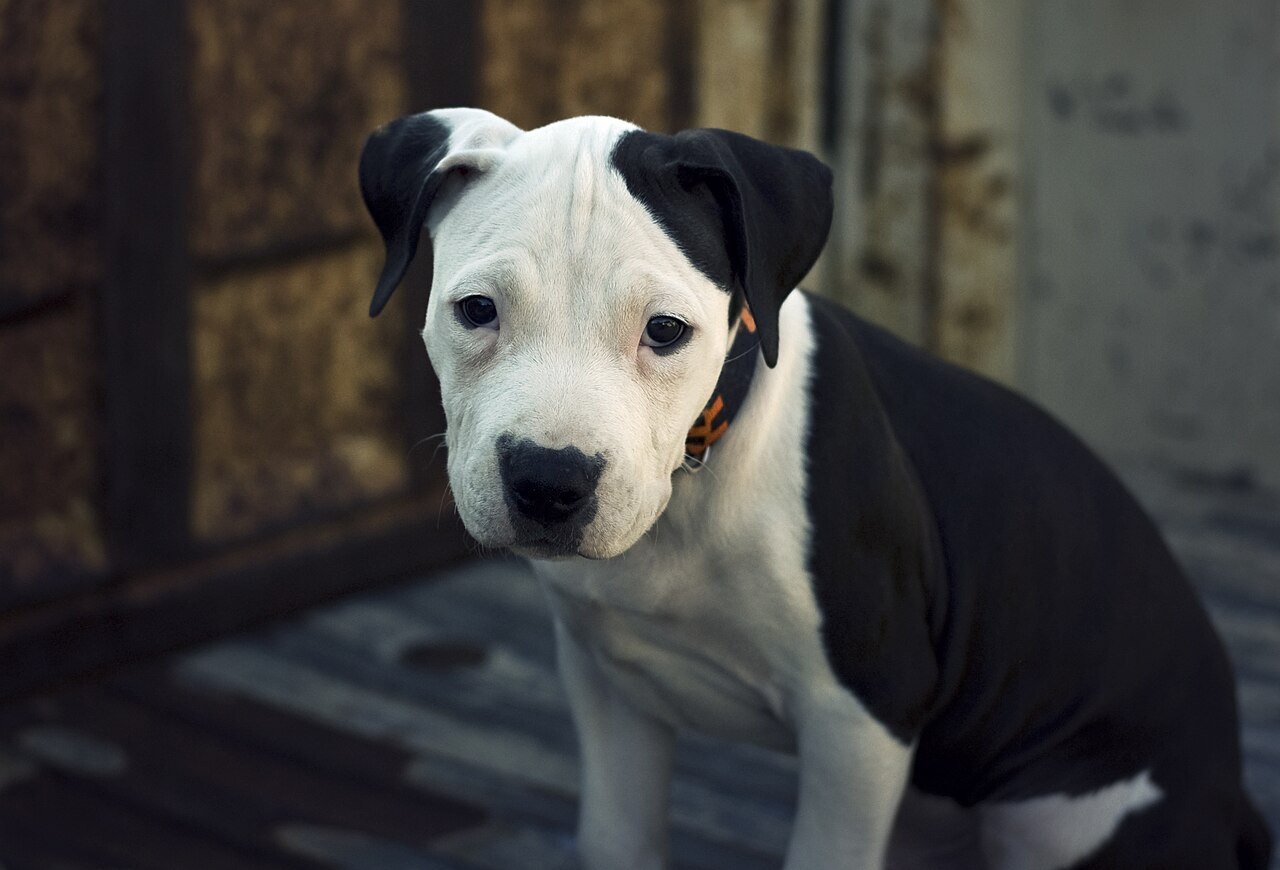
The American Staffordshire Terrier is one of the most misunderstood dog breeds in America. Behind the muscular exterior and unfortunate stereotypes lies a complex, intelligent, and deeply loyal companion. If you’re considering adopting an AmStaff, understanding their true temperament is essential for determining whether this breed aligns with your lifestyle and expectations. This comprehensive guide will help you understand what makes these dogs tick and what you can realistically expect from an AmStaff companion.
The Foundation of AmStaff Character
American Staffordshire Terriers were originally bred for strength, courage, and tenacity, but equally important were traits like loyalty, intelligence, and the ability to work closely with humans. These foundational characteristics still define the breed today, though modern AmStaffs are primarily companion animals rather than working dogs.
The breed’s character can be summarized in three core traits: unwavering loyalty, confident intelligence, and gentle strength. However, these traits manifest differently depending on the individual dog’s genetics, socialization, training, and environment.
Core Personality Traits
Loyalty and Devotion
AmStaffs are often described as “velcro dogs” because of their intense devotion to their families. This loyalty runs deeper than simple attachment – AmStaffs form profound emotional bonds with their humans and will go to great lengths to protect and please them.
This devotion means AmStaffs:
- Prefer to be wherever their family is
- Can develop separation anxiety if left alone frequently
- Are naturally protective of their loved ones
- May be reserved or aloof with strangers initially
- Show remarkable intuition about their family’s emotions and needs
Intelligence and Trainability
AmStaffs are highly intelligent dogs with excellent problem-solving abilities. They’re eager to please their owners, which makes them highly trainable when approached correctly. However, their intelligence comes with independence and strong-willed nature.
Training characteristics:
- Quick learners who retain information well
- Respond best to positive reinforcement methods
- Can become stubborn if training is inconsistent
- Need mental stimulation to prevent boredom
- Excel at obedience, agility, and various dog sports
Confidence and Courage
AmStaffs possess natural confidence that can be both an asset and a challenge. They’re not typically fearful or anxious dogs, but their confidence requires proper channeling through training and socialization.
Confidence manifests as:
- Self-assured body language and demeanor
- Willingness to investigate new situations
- Natural leadership tendencies
- Potential for dominance issues if not properly managed
- Excellent watchdog instincts
Social Behavior and Relationships
With Family Members
AmStaffs are renowned for their gentleness with family members, particularly children. They seem to understand their strength and adjust their behavior accordingly when interacting with smaller family members.
Family interactions:
- Exceptionally patient with children
- Protective without being overprotective
- Affectionate and cuddly despite their size
- Sensitive to family dynamics and emotions
- May try to “herd” or gather family members
With Strangers
AmStaffs are naturally cautious with strangers, which makes them excellent watchdogs. However, with proper socialization, they can learn to be polite and friendly with new people.
Stranger behavior patterns:
- Initial wariness followed by acceptance
- Strong territorial instincts around their home
- May be more accepting of strangers in neutral locations
- Usually warm up quickly once properly introduced
- Excellent judges of character – often mirror their owner’s attitude toward visitors
With Other Dogs
This is perhaps the most complex aspect of AmStaff temperament. While many AmStaffs get along well with other dogs, particularly when raised together, some can be dog-aggressive or dog-selective.
Factors affecting dog-to-dog relationships:
- Early socialization is crucial
- Same-sex aggression is more common
- Better with dogs of different sizes
- May be possessive of resources around other dogs
- Individual variation is significant
With Other Pets
AmStaffs can coexist peacefully with other pets when properly socialized, but their terrier heritage means they may have a high prey drive toward small animals.
Considerations for multi-pet households:
- Best introduced to other pets as puppies
- May chase cats or small animals
- Usually good with pets they’re raised with
- Supervision may be needed during initial interactions
- Individual temperament varies significantly
Energy Levels and Exercise Needs
Physical Exercise Requirements
AmStaffs are athletic dogs that require substantial daily exercise to maintain physical and mental health. Under-exercised AmStaffs can develop behavioral problems.
Exercise needs:
- 60-90 minutes of daily activity
- Enjoy jogging, hiking, and fetch games
- Excel at dog sports like agility and weight pulling
- Need both physical and mental stimulation
- Adapt well to their owner’s activity level
Mental Stimulation Needs
Intelligence without outlets can lead to destructive behavior. AmStaffs need mental challenges to stay happy and well-behaved.
Mental exercise ideas:
- Puzzle toys and treat-dispensing games
- Training sessions and trick learning
- Scent work and nose games
- Rotating toys to maintain interest
- Interactive play sessions
Behavioral Characteristics by Life Stage
Puppy Stage (8 weeks to 18 months)
AmStaff puppies are typically energetic, curious, and eager to learn. This is the critical period for socialization and establishing good habits.
Puppy characteristics:
- High energy and playfulness
- Rapid learning ability
- Need consistent routine and boundaries
- May be mouthy and need bite inhibition training
- Require extensive socialization
Adult Stage (18 months to 7 years)
Adult AmStaffs settle into their personalities but remain active and engaged. This is when their true temperament becomes apparent.
Adult characteristics:
- More settled but still energetic
- Established social preferences
- Strong bonds with family
- May become more protective
- Peak physical and mental capabilities
Senior Stage (7+ years)
Senior AmStaffs often become more mellow while retaining their core personality traits. They may need adjusted expectations for activity levels.
Senior characteristics:
- Decreased energy but maintained alertness
- Stronger preference for routine
- May become more selective about activities
- Increased need for comfort and warmth
- Deeper bonds with family members
Common Behavioral Challenges
Separation Anxiety
Due to their strong attachment to family, AmStaffs can develop separation anxiety if not properly conditioned to alone time.
Signs of separation anxiety:
- Destructive behavior when left alone
- Excessive barking or whining
- Attempts to escape
- House soiling despite being house-trained
- Pacing or restlessness before departures
Prevention strategies:
- Gradual conditioning to alone time
- Providing engaging activities during departures
- Maintaining calm departure and arrival routines
- Crate training for security
- Considering doggy daycare or pet sitters for long absences
Leash Pulling and Excitement
AmStaffs’ strength and enthusiasm can make leash walking challenging without proper training.
Management techniques:
- Early leash training is essential
- Use appropriate equipment (harnesses, not choke collars)
- Consistent training methods
- Reward calm, controlled behavior
- Regular practice in various environments
Resource Guarding
Some AmStaffs may exhibit protective behavior over food, toys, or other valued items.
Prevention and management:
- Early training around resource sharing
- Hand-feeding exercises
- Teaching “drop it” and “leave it” commands
- Avoiding confrontational approaches
- Professional help if behavior escalates
Overprotectiveness
AmStaffs’ natural protective instincts can sometimes become excessive without proper guidance.
Balanced protection training:
- Socialization to distinguish real threats from normal situations
- Teaching appropriate responses to visitors
- Consistent leadership from owners
- Controlled exposure to various situations
- Professional training if needed
Factors Influencing Temperament
Genetics and Breeding
The temperament of AmStaff parents significantly influences offspring. Responsible breeders select for stable, balanced temperaments.
Genetic influences:
- Inherited behavioral tendencies
- Breed-specific traits
- Individual variation within breed standards
- Importance of meeting parent dogs when possible
Early Socialization
The period between 3-14 weeks is crucial for developing appropriate social behaviors and confidence.
Critical socialization elements:
- Exposure to various people, animals, and environments
- Positive experiences with handling and restraint
- Introduction to different sounds, surfaces, and situations
- Puppy classes and controlled social interactions
- Ongoing socialization throughout life
Training and Environment
The way an AmStaff is raised and trained has profound effects on their adult temperament.
Environmental factors:
- Consistency in rules and expectations
- Positive reinforcement training methods
- Adequate physical and mental stimulation
- Stable, loving home environment
- Appropriate leadership and boundaries
Training Considerations for AmStaff Temperament
Positive Reinforcement Methods
AmStaffs respond exceptionally well to positive training methods that build on their desire to please.
Effective training approaches:
- Reward-based training with treats, praise, and play
- Consistent rules and expectations
- Short, frequent training sessions
- Varied and interesting training exercises
- Patience and persistence
Addressing Strong-Willed Nature
While eager to please, AmStaffs can be independent thinkers who may test boundaries.
Management strategies:
- Establish clear leadership without harsh methods
- Provide choices within acceptable parameters
- Use their intelligence to make training engaging
- Redirect unwanted behaviors rather than just correcting
- Maintain consistency among all family members
Socialization Training
Ongoing socialization is crucial for maintaining a well-adjusted AmStaff throughout their life.
Socialization priorities:
- Regular exposure to new people and situations
- Positive experiences with other dogs (when appropriate)
- Training for public spaces and events
- Handling exercises for grooming and veterinary care
- Exposure to various environments and stimuli
Ideal Home Environment
Family Composition
AmStaffs can thrive in various family structures but do best with engaged, active families.
Ideal family characteristics:
- Experience with strong, intelligent breeds (preferred but not required)
- Commitment to training and socialization
- Active lifestyle with time for exercise and interaction
- Understanding of breed-specific needs
- Ability to provide consistent leadership
Living Situations
While adaptable, AmStaffs have preferences for their living environment.
Housing considerations:
- Secure fencing for yard access
- Adequate space for indoor movement
- Climate-controlled environment
- Safe storage for toys and belongings
- Quiet spaces for rest and relaxation
Lifestyle Compatibility
AmStaffs are most successful with owners whose lifestyles complement their needs.
Compatible lifestyles:
- Active individuals or families
- Those who enjoy outdoor activities
- People who appreciate loyal, devoted companions
- Families with time for training and bonding
- Those seeking a protective but gentle family dog
Misconceptions vs. Reality
Common Myths About AmStaff Temperament
Unfortunately, AmStaffs face numerous misconceptions that don’t reflect their true nature.
Myth vs. Reality:
- Myth: AmStaffs are naturally aggressive
- Reality: Well-socialized AmStaffs are typically gentle and friendly
- Myth: They’re not good with children
- Reality: AmStaffs are often exceptional with children when properly raised
- Myth: They can’t be trusted around other pets
- Reality: Many AmStaffs live peacefully with other pets
- Myth: They’re unintelligent or hard to train
- Reality: AmStaffs are highly intelligent and trainable
Understanding Individual Variation
Like all breeds, AmStaffs show significant individual variation in temperament.
Factors affecting individual temperament:
- Genetic inheritance from parents
- Early life experiences
- Training and socialization history
- Current environment and care
- Age and health status
Warning Signs and Red Flags
Behavioral Concerns to Address
Certain behaviors require immediate attention to prevent escalation.
Red flag behaviors:
- Aggression toward family members
- Excessive fearfulness or anxiety
- Destructive behavior despite adequate exercise
- Inability to settle or relax
- Extreme possessiveness over resources
When to Seek Professional Help
Some situations require professional intervention from qualified trainers or behaviorists.
Professional help indicators:
- Aggressive behavior toward people or animals
- Severe anxiety or phobias
- Compulsive behaviors
- Inability to be left alone
- Escalating behavioral problems despite consistent training
Living Successfully with an AmStaff
Daily Life Expectations
Understanding what daily life looks like with an AmStaff helps set realistic expectations.
Typical daily routine:
- Morning exercise and bathroom break
- Interactive breakfast (puzzle toys, training)
- Midday activity or walk
- Evening exercise and family time
- Bedtime routine with settling activities
Long-term Commitment
AmStaffs are long-term companions who require consistent care and attention throughout their lives.
Lifetime commitment includes:
- 12-16 years of care and companionship
- Ongoing training and socialization
- Adapting to changing needs with age
- Potential breed-specific challenges
- Veterinary care and health management
Building a Strong Bond
The key to a successful relationship with an AmStaff lies in building a strong, trusting bond.
Bond-building activities:
- Regular training sessions
- Shared physical activities
- Quiet bonding time
- Consistent routines and expectations
- Positive interactions and experiences
Making the Decision
Self-Assessment Questions
Before adopting an AmStaff, honestly assess your readiness for this breed.
Questions to consider:
- Do you have experience with strong, intelligent breeds?
- Can you commit to daily exercise and mental stimulation?
- Are you prepared for potential breed-specific challenges?
- Do you have time for ongoing training and socialization?
- Can you provide consistent leadership and boundaries?
Preparation for Adoption
If you decide an AmStaff is right for you, proper preparation is essential.
Pre-adoption preparation:
- Research reputable breeders or rescue organizations
- Prepare your home environment
- Plan for initial training and socialization
- Establish relationships with veterinarians and trainers
- Set realistic expectations for the adjustment period
Final Thoughts
The American Staffordshire Terrier is a remarkable breed with a complex, nuanced temperament that goes far beyond stereotypes and misconceptions. These dogs are capable of being gentle family companions, loyal protectors, and devoted friends when their needs are understood and met.
The key to success with an AmStaff lies in understanding their true nature: intelligent, loyal, confident dogs who need consistent leadership, adequate exercise, proper socialization, and lots of love. They’re not the right breed for everyone, but for the right family, an AmStaff can be an incomparable companion.
Remember that every AmStaff is an individual with their own personality quirks and preferences. While breed characteristics provide a general framework, getting to know your specific dog and building a relationship based on mutual respect and understanding is what truly matters.
If you’re prepared for the commitment, willing to invest in proper training and socialization, and ready to advocate for your dog in a world that may not always understand them, an American Staffordshire Terrier can reward you with a depth of loyalty and companionship that few breeds can match. The journey with an AmStaff is not always easy, but for those who take the time to understand and nurture these remarkable dogs, it’s invariably rewarding.
Excellent information and very accurate regarding this animal. Very loyal dog and extremely obedient. Lovable, well mannered and playful. Adapted well with other dogs in home and assimilated well with dogs in family. Love this breed.