Breed info
Is an AmStaff right for you? What to weigh before you commit
Size, strength, exercise, other pets, time alone, insurance, housing, budget and where to find a well-bred AmStaff: an honest …
Read moreBreed traits, health and temperament
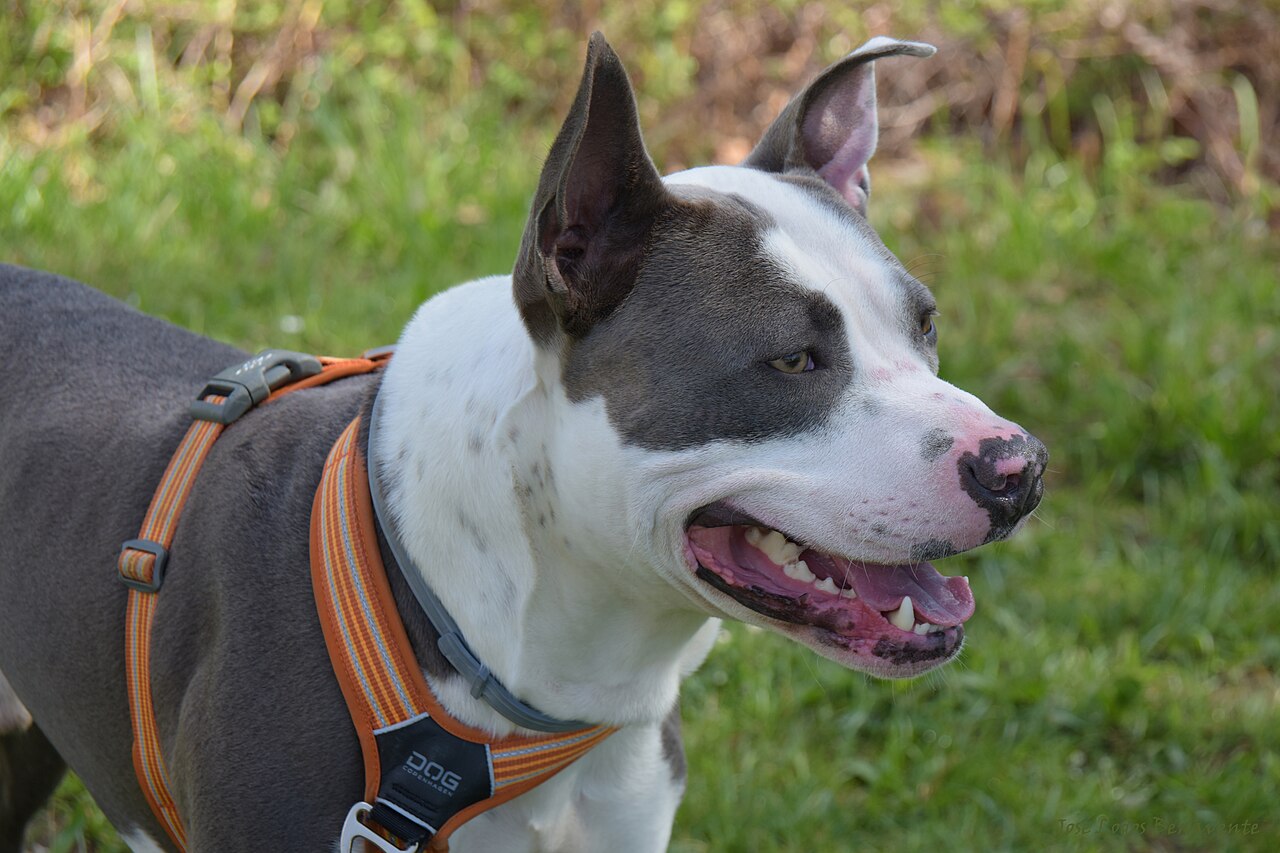
Known as the AmStaff, the American Staffordshire Terrier is a medium-sized, short-coated dog recognized by the American Kennel Club since 1936. Muscular and stocky for its size, it is described by the AKC as confident, smart and good-natured. Here are its main traits, its health and where it comes from.
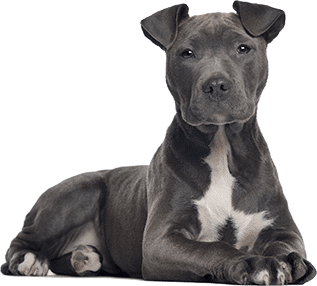
The AKC standard asks for a dog that gives an impression of great strength for its size: muscular, stocky, never long-legged, yet agile. Males stand about 18 to 19 inches at the shoulder, females 17 to 18 inches.
An athletic dog that needs daily exercise and does well in canine sports such as agility or obedience.
The short, stiff coat needs little more than a weekly brushing.
Affectionate with its family and keen to please. Early socialization matters: the breed club warns that dog aggression can appear even in well-socialized AmStaffs.
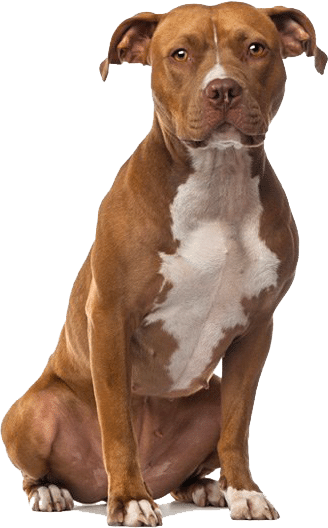
A bath every few months is usually enough. Check the ears and trim the nails regularly.
Generally sturdy, but prone to hip and elbow dysplasia, skin allergies and cerebellar ataxia, a hereditary disease with a DNA test.
Watchful and confident, it will alert you to visitors, while staying friendly with people it has learned to know.
Who better to tell you about American Staffordshires than their owners? They describe their dogs to us.

Beni's owner
I adopted Beni when he was tiny from a known breeder and he grew up in our family. He is very important to all members of the family, he is unbelievable. Able to stay with my daughter when she is sad to comfort her, coming to walk with me in the forest or following my wife when she goes into town.
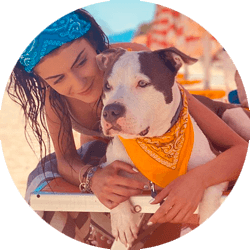
Heros's owner
I am delighted to be able to talk to you about Heros, because it upsets me when I hear so many outrageous things about this breed. Heros is amazing, I have never seen such a kind and patient dog, my brother's children can play with him for hours, he is a gem. My little sweetheart does not have an ounce of malice. I take him everywhere and I hate the way some people look at him, but after a few minutes they quickly change their minds.
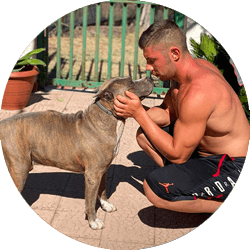
Drago's owner
I have always liked the size of the AmStaff, it is a dog which suits me perfectly. I love to run and do sport with Drago. In terms of his character, I would say that he is a lively and highly intelligent dog. It only takes one look for us to understand each other, for me he is the perfect companion, he is my first AmStaff and frankly choosing this breed is the best decision I have made.
Health, temperament, training, laws and comparisons with related breeds.
Size, strength, exercise, other pets, time alone, insurance, housing, budget and where to find a well-bred AmStaff: an honest …
Read more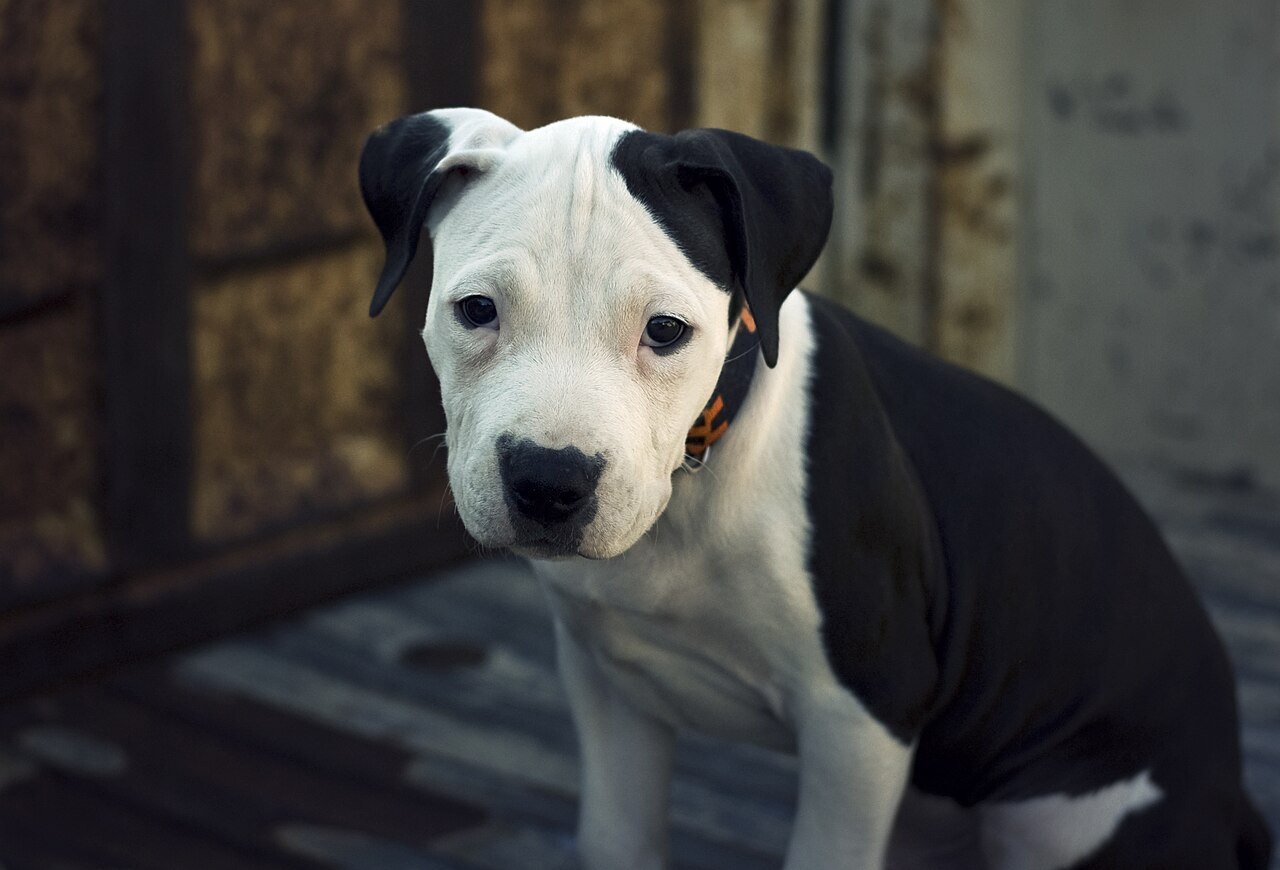
Training an American Staffordshire Terrier puppy: the socialization window, reward-based methods, recall, leash walking, other …
Read more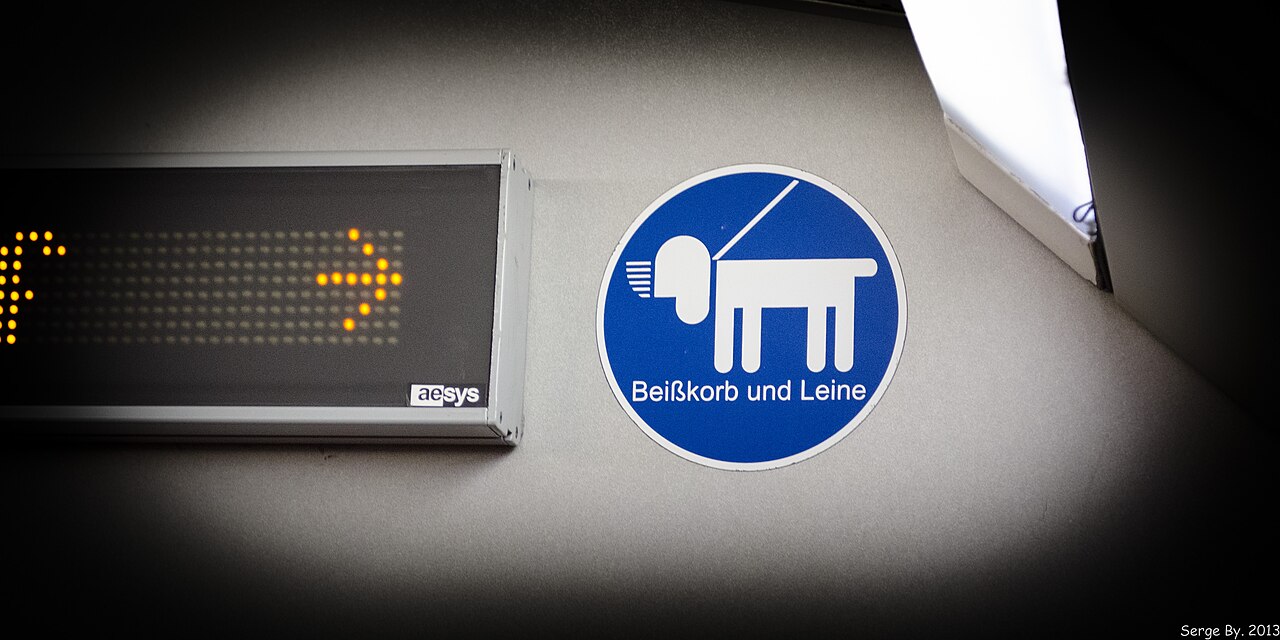
France, the UK, Germany, Ireland, Denmark, Ontario and US cities: what breed-specific laws say about the AmStaff, from muzzle …
Read more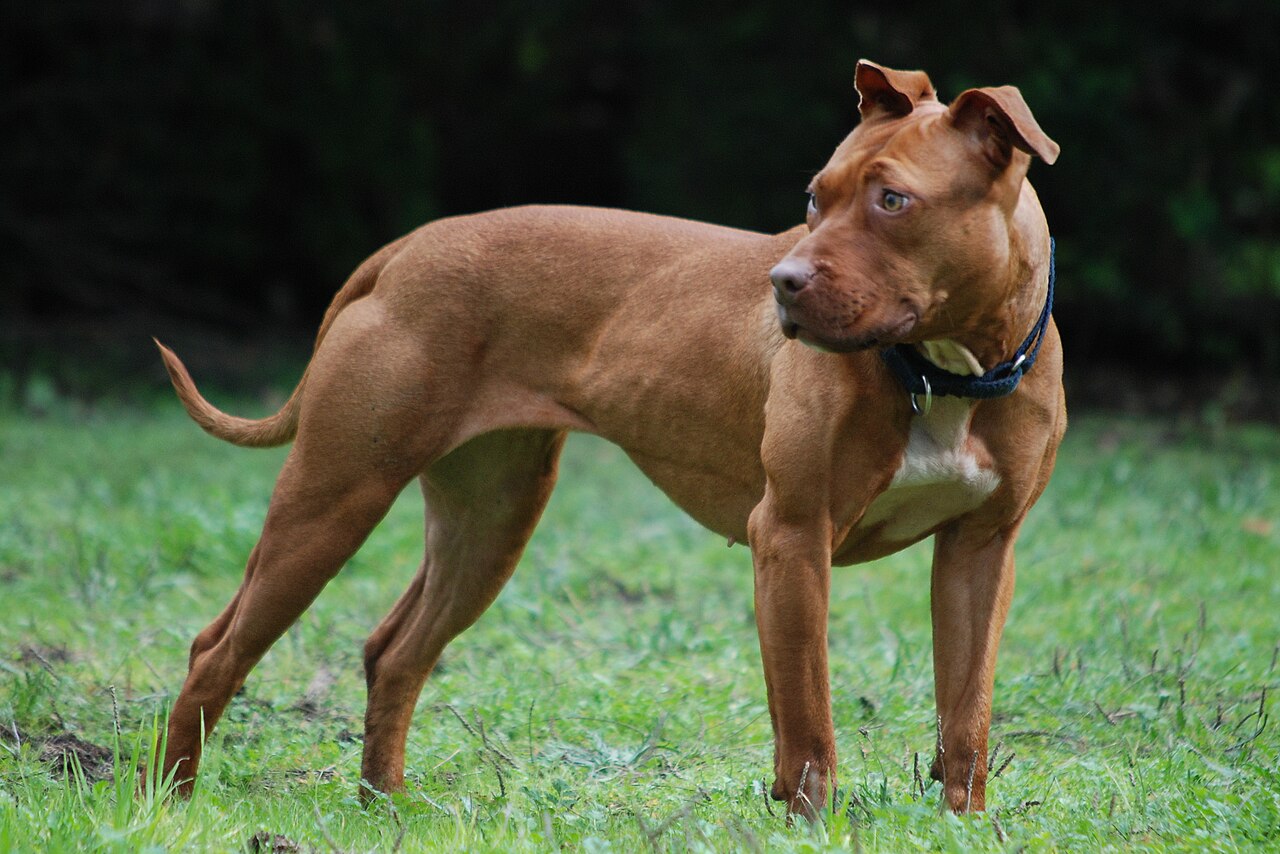
The AmStaff and the American Pit Bull Terrier share their roots but not their registries. How AKC and UKC split them, how the …
Read more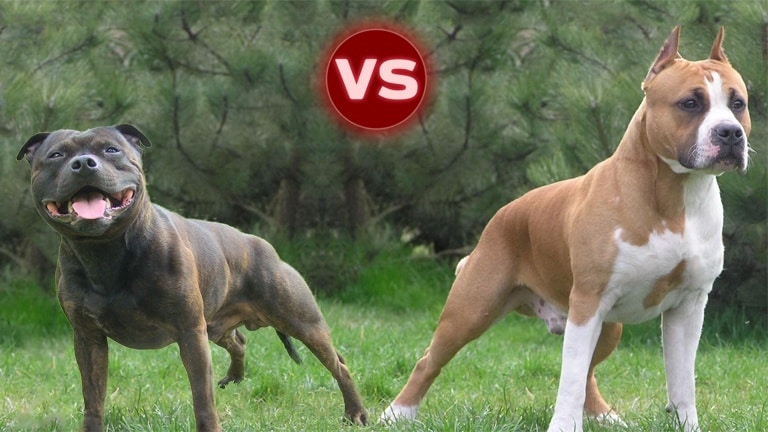
The American Staffordshire Terrier and the Staffordshire Bull Terrier compared: history, breed standards, AKC temperament scores, …
Read more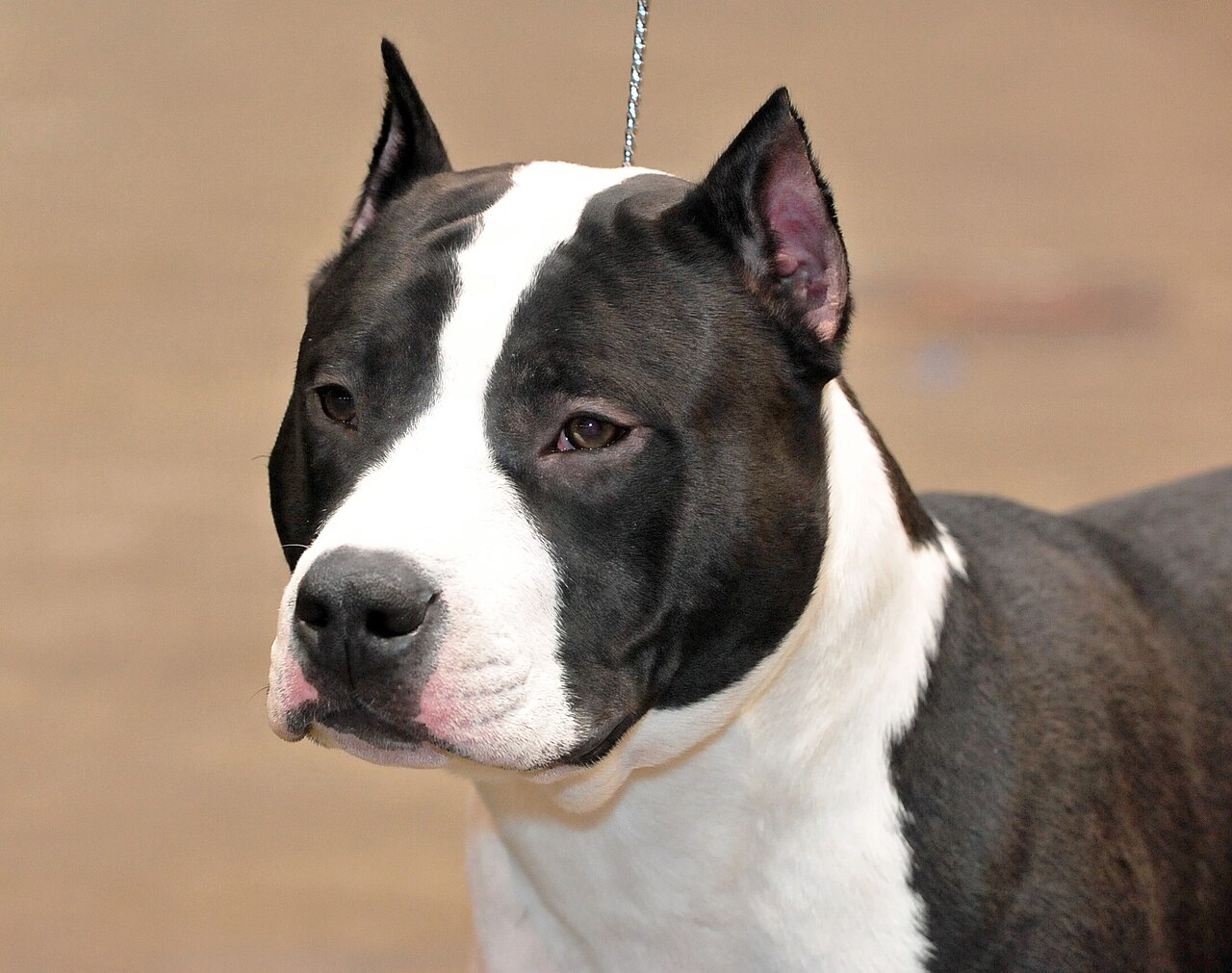
Lifespan, hip and elbow dysplasia rates, the NCL DNA test, skin problems and the health screening the breed club asks of AmStaff …
Read moreThe American Staffordshire Terrier descends from the bull-and-terrier dogs of the British Isles, crosses between bulldogs and terriers that were used in dog fights and are now extinct. Some of these dogs reached the United States from around 1850. There, the United Kennel Club recognized them in 1898 as the American Pit Bull Terrier.
In 1936 the American Kennel Club recognized the breed under the name Staffordshire Terrier, and approved a standard focused on conformation and temperament rather than fighting ability. The name was later changed to American Staffordshire Terrier, to tell it apart from the British Staffordshire Bull Terrier. Since the 1970s both parents must be AKC-registered for a puppy to be registered as an AmStaff, and decades of breeding for the show ring have moved it away from the working pit bull lines.
The standard prefers a height of about 18 to 19 inches (46 to 48 cm) at the shoulder for males and 17 to 18 inches (43 to 46 cm) for females, with weight in proportion. Most AmStaffs weigh between 40 and 70 pounds (18 to 32 kg).
The head is of medium length, with a broad skull, a distinct stop and pronounced cheek muscles. The ears are set high, and uncropped ears are preferred. The eyes are dark and round, the nose always black. Many coat colors are accepted, solid, parti-color or patched, but the standard discourages liver, black and tan, and more than 80% white. The coat is short, close, stiff to the touch and glossy.
The AKC describes AmStaffs as smart, confident, good-natured companions whose courage is proverbial. With their family they are usually affectionate and eager to please, and many are patient with children who have been taught to respect a dog.
Their bull-and-terrier ancestry still shows in their tenacity. The breed's parent club points out that dog aggression can occur even in well-socialized AmStaffs, and advises not to leave them alone with other dogs. Early socialization and consistent, reward-based training from puppyhood are the basis of a well-balanced adult. Harsh treatment, on the other hand, can make any dog defensive.
A 2024 UK study found a life expectancy of 12.5 years, close to the average for purebred dogs. The breed is predisposed to allergic skin disease and demodicosis, a skin condition caused by mites. Screening data from North America show a high rate of hip dysplasia and elbow dysplasia.
Cerebellar ataxia (neuronal ceroid lipofuscinosis), a hereditary neurological disease that appears in adult dogs, is well documented in the breed: a DNA test lets breeders avoid pairing two carriers. Ask a breeder for the parents' hip and elbow scores and their DNA results before buying a puppy.